
Expectations vs Experience in Modern Hotel Stays
Summary
This article offers a thoughtful and honest exploration of how hotel room photos often differ from reality. It highlights common marketing tactics, emphasizes the value of guest reviews, and provides practical tips for managing expectations. A useful read for travelers who want fewer surprises and more satisfying hotel experiences.
Food tours have become one of the most popular ways to experience a city. They offer more than just meals; they provide stories, cultural context, and a sense of place through flavor. Yet one question often divides travelers and locals alike: is a food tour better at lunchtime or in the evening? While both options promise delicious discoveries, the time of day can significantly shape the overall experience. From energy levels and atmosphere to food selection and pacing, lunch and dinner food tours each bring distinct advantages and drawbacks.
Understanding these differences can help you choose the right option for your travel style, appetite, and expectations. An honest comparison of lunch versus dinner food tours reveals that neither is universally superior—each simply offers a different way to taste a city.
The Appeal of Lunch Food Tours
Lunch food tours are often seen as practical and approachable, especially for first-time visitors. They typically take place during the middle of the day, when energy levels are high and schedules are more flexible. For many travelers, this makes lunch tours easier to fit into a packed itinerary without feeling rushed or exhausted.
One major advantage of lunch tours is the type of food featured. Midday tours often focus on local staples, street food, bakeries, casual eateries, and markets. These are places where residents actually eat during their workday, offering a more authentic glimpse into daily life. Portions tend to be lighter but varied, allowing guests to sample multiple dishes without feeling overly full.
Lunch tours also benefit from daylight. Seeing neighborhoods, markets, and storefronts in natural light adds an extra layer of enjoyment. Guides can point out architectural details, explain local routines, and share stories that might be harder to appreciate after dark. Photography is easier, and the overall pace often feels relaxed and exploratory.
Another understated benefit is stamina. Walking, tasting, and listening require energy, and midday tours are less likely to clash with fatigue from sightseeing or travel. Guests are often more attentive, engaged, and curious during lunch tours, which can enhance the educational side of the experience.
The Limitations of Lunch Tours
Despite their strengths, lunch food tours are not without drawbacks. One common issue is the atmosphere. Lunchtime dining tends to be functional rather than festive. Restaurants may be busy serving locals on tight schedules, which can limit interaction with staff or reduce the sense of hospitality. Some establishments may feel rushed, especially in business districts.
Additionally, lunch menus can be more limited. Certain signature dishes, slow-cooked meals, or elaborate preparations are often reserved for dinner service. If your goal is to experience a city’s most indulgent or iconic foods, a lunch tour may only scratch the surface.
There is also the practical concern of pacing your day. A heavy lunch tour can make afternoon sightseeing less appealing, especially in warm climates. While portions are usually designed to be manageable, everyone’s tolerance differs, and some guests may find themselves sluggish afterward.
The Magic of Dinner Food Tours
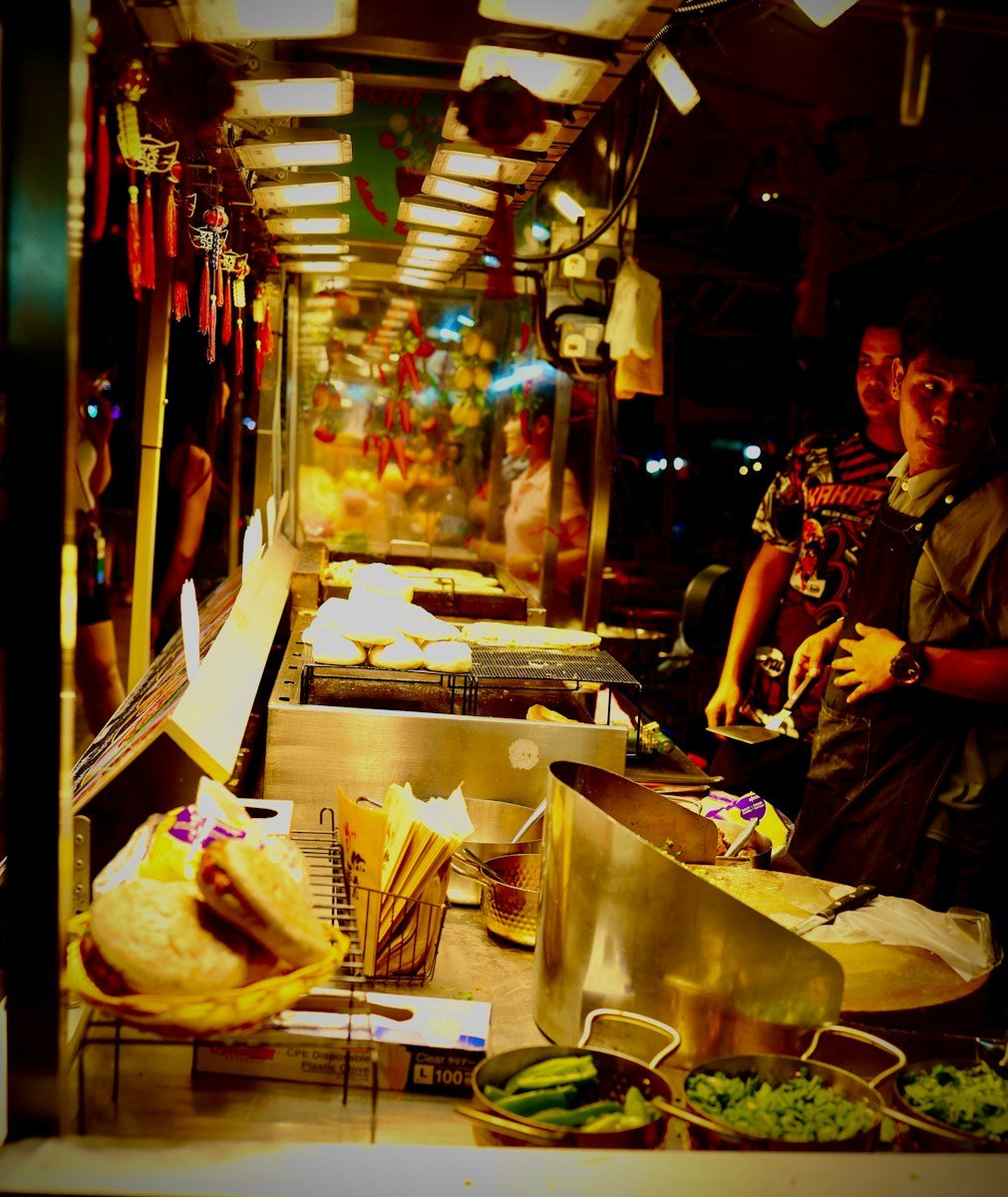
Dinner food tours offer a completely different energy. As the sun sets, cities transform. Streets fill with locals winding down, lights come on, and dining becomes an event rather than a necessity. Evening food tours tap into this atmosphere, creating an experience that feels social, immersive, and often more indulgent.
One of the biggest draws of dinner tours is the food itself. Dinner menus are typically broader and more expressive, featuring signature dishes, chef specialties, and traditional meals that require time and care to prepare. From rich stews and grilled meats to multi-course tastings, dinner tours often highlight the culinary heart of a destination.
Alcohol also plays a role. Many evening tours include wine, beer, or cocktails, which can elevate the experience and encourage conversation among participants. The social aspect of dinner tours is often stronger, making them ideal for couples, groups, or solo travelers looking to connect with others.
The nighttime setting adds emotional depth as well. Exploring neighborhoods after dark, hearing stories about history or nightlife, and stepping into warmly lit restaurants can feel intimate and memorable. For many, dinner food tours become the highlight of their trip, blending cuisine with atmosphere in a way that lingers long after the last bite.
The Downsides of Dinner Tours
However, dinner food tours come with their own challenges. Timing is a major factor. After a full day of sightseeing, travel delays, or work commitments, some participants arrive tired. Fatigue can dull the senses, making it harder to fully appreciate flavors or engage with the guide’s commentary.
Dinner tours also tend to be longer and heavier. Multiple courses and richer dishes can lead to feeling overly full, especially if pacing is not well managed. For travelers adjusting to new time zones, late-night tours may interfere with rest or next-day plans.
Crowds are another consideration. Popular dining areas are often busiest in the evening, which can mean louder environments, longer waits between stops, and less personal interaction with vendors. While this buzz can be exciting, it may overwhelm guests who prefer quieter, more focused experiences.
Finally, dinner tours usually come at a higher price point. The inclusion of alcohol, premium dishes, and extended service often increases costs, which may not suit every budget.
Choosing Based on Your Travel Style
The best time of day for a food tour largely depends on what kind of traveler you are. If you enjoy learning about local culture, markets, and everyday life—and prefer lighter meals and a steady pace—lunch tours are likely a better fit. They complement sightseeing well and provide context for understanding a city’s culinary foundation.
On the other hand, if food is a central focus of your trip and you’re drawn to atmosphere, indulgence, and social interaction, dinner tours may be more rewarding. They showcase a city at its most expressive and allow you to experience cuisine as locals do when they have time to savor it.
Your schedule also matters. Short trips may benefit from lunch tours that leave evenings free, while longer stays allow room for a leisurely dinner experience. Climate, energy levels, and personal eating habits all play important roles in making the right choice.
Can You Do Both?
For food lovers with enough time, experiencing both a lunch and a dinner food tour can provide a well-rounded perspective. Lunch tours reveal how people eat day to day, while dinner tours show how food becomes celebration and tradition. Together, they tell a fuller story of a destination’s culinary identity.
This approach also prevents overindulgence in a single sitting and allows you to compare different neighborhoods, guides, and styles of cuisine.