A Clear Comparison of Booking Choices
Summary
This review clearly breaks down the differences between booking directly and using third-party platforms. It balances price, perks, and convenience, helping travelers understand hidden costs and real benefits so they can choose the option that best fits their budget, travel style, and expectations.
Food tours have become one of the most popular ways to explore a new city. They promise not just meals, but stories, culture, and local insight served alongside every bite. Browsing travel blogs and tour listings, it’s easy to assume that a food tour will leave you completely stuffed, possibly even skipping dinner afterward. But how much food do you actually get on a food tour? The answer is more nuanced than many first-time participants expect.
This essay takes a realistic look at food tour portions, how they vary by destination and tour style, and whether the experience delivers real value beyond the food itself. Understanding what you’re signing up for can help you avoid disappointment—and make the most of the experience.
The Myth of “Unlimited Eating”
Many people approach food tours expecting a progressive feast: plate after plate, stop after stop, until they’re uncomfortably full. Marketing photos don’t help—tables overflowing with dishes, smiling guides holding trays of food, and participants mid-bite, clearly enjoying themselves.
In reality, most food tours are not designed to replace three full meals. Instead, they aim to offer variety, not volume. Portions are often intentionally small so guests can sample multiple specialties without burning out their taste buds halfway through the tour.
That doesn’t mean you’ll leave hungry, but it does mean expectations should be calibrated. A food tour is closer to a curated tasting menu than an all-you-can-eat experience.
What Determines How Much Food You Get?
There is no universal standard for portion sizes on food tours. Several factors influence how much you’ll actually eat.
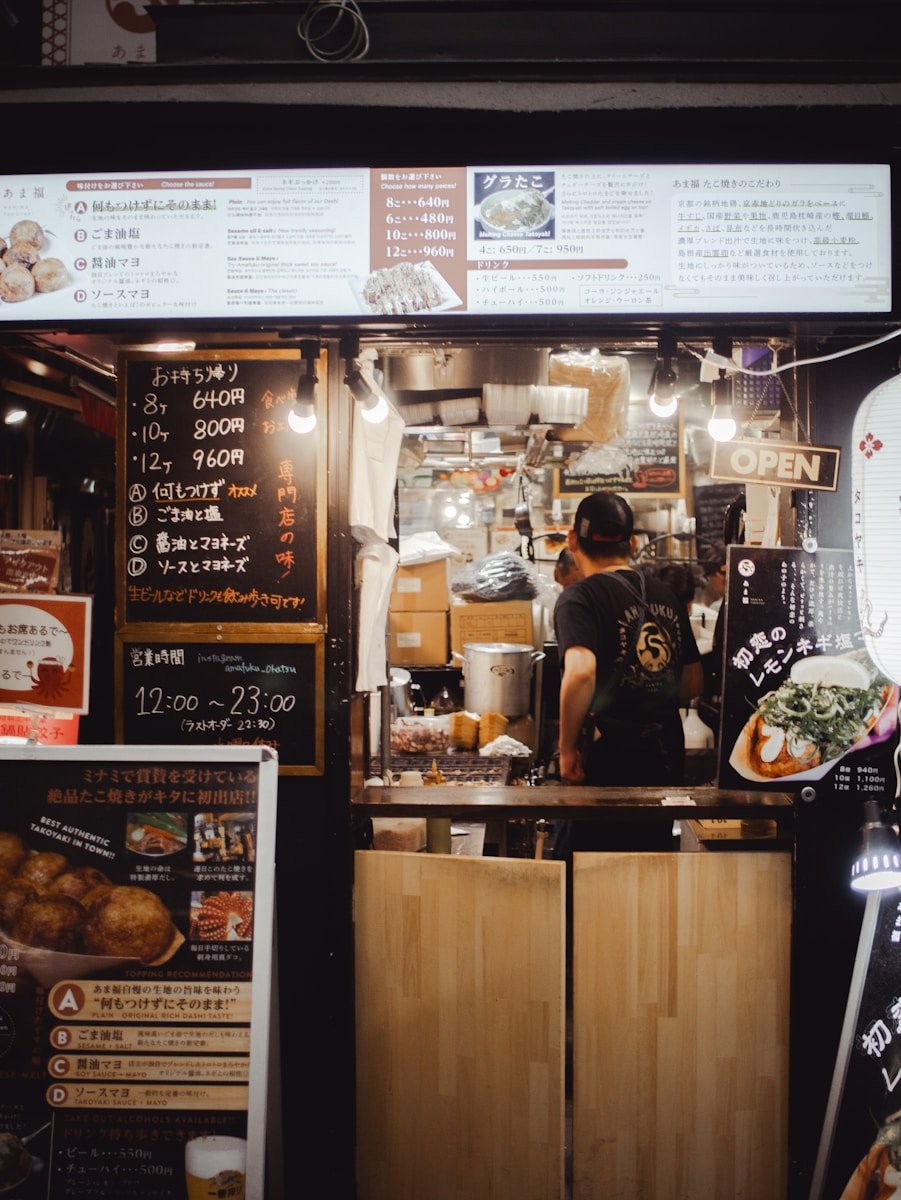
Destination plays a major role. In cities known for hearty street food—such as Bangkok, Mexico City, or Istanbul—portions tend to be more generous. In contrast, food tours in places like Paris, Tokyo, or Barcelona may focus on refined bites, pastries, or small plates, prioritizing craftsmanship over quantity.
Tour length matters as well. A two-hour walking tour typically includes three to five tastings, while longer three- or four-hour tours may include six to ten stops. More stops don’t always mean more food, though; some tastings might be as small as a single dumpling or a slice of cheese.
The type of tour also matters. Street food tours often provide more filling items than dessert tours or specialty tours focused on wine, chocolate, or coffee. A taco-focused tour will likely leave you fuller than a chocolate-and-pastry crawl, even if both include the same number of stops.
Typical Portion Sizes: What You Can Expect
To give a realistic picture, here’s what many standard food tours include per person:
One or two substantial items (for example, a sandwich half, a bowl of noodles, or several tacos)
Several smaller tastings (dumplings, fried snacks, pastries, or cured meats)
One or two drinks, which may be non-alcoholic or alcoholic depending on the tour
Occasional shared dishes rather than individual portions
When combined, this usually equals a light-to-moderate meal. Some people feel comfortably full by the end, while others—especially those with larger appetites—may want an additional meal later.
Why Smaller Portions Are Intentional
At first glance, smaller servings might seem like a downside. However, there are good reasons most food tours are structured this way.
Food tours are designed to tell a story. Guides want participants to stay engaged, walk comfortably between stops, and remain curious about the next dish. Overfeeding guests early in the tour would slow the pace and dull the experience.
There’s also a practical reason: food tours often work with small, family-run vendors. These businesses may not be equipped to serve large portions to groups without disrupting their normal operations. Smaller tastings allow tours to support local vendors without overwhelming them.
Finally, many guides want guests to return to places they loved later. A tasting is an introduction, not a replacement for a full sit-down meal.
The Value Beyond the Food
Judging a food tour solely by how full you feel misses much of its value. What you’re really paying for is access, context, and knowledge.
A good guide explains why a dish matters, how it evolved, and where locals actually eat. You learn how to order confidently, what to avoid, and which neighborhoods are worth exploring on your own. These insights often prove more valuable than an extra portion of food.
In many cases, participants leave with a list of places they want to revisit later—something that wouldn’t happen if the tour simply aimed to overfeed everyone.
Who Might Feel Underwhelmed?
Despite the benefits, food tours aren’t for everyone.
Travelers with very large appetites may find portions insufficient. Those expecting a clear cost-to-calorie payoff might feel disappointed, especially if the tour price is high. People who prefer leisurely sit-down meals may also find the frequent walking and quick tastings less satisfying.
Vegetarians and people with dietary restrictions sometimes receive smaller or less varied alternatives, depending on the destination. While many tours accommodate special diets, substitutions don’t always match the original in substance.
How to Avoid Disappointment
If you’re worried about portion size, a bit of planning goes a long way.
Eat a light meal beforehand rather than arriving starving. Read recent reviews and look for comments about portion sizes. Don’t hesitate to ask the tour operator directly how filling the experience is intended to be.
Most importantly, think of a food tour as part of your day’s eating, not the entire plan. Many experienced travelers schedule food tours earlier in the day and then enjoy a relaxed dinner afterward at one of the places they discovered.
Final Thoughts
So, how much food do you actually get on a food tour? Usually enough to satisfy, rarely enough to overindulge, and almost always enough to learn.
Food tours are about exploration rather than excess. They trade large portions for variety, context, and connection. If you approach them with the right expectations, they can be one of the most rewarding ways to understand a destination—one thoughtful bite at a time.