
A Thoughtful Comparison of Morning and Evening Sightseeing Experiences
Summary
This article clearly compares morning and evening sightseeing tours by focusing on atmosphere, energy, and traveler preferences. It offers balanced insights that help readers choose tours based on mood and travel style rather than convenience. The perspective feels practical and relatable, making it useful for planning more meaningful and enjoyable travel experiences.
Sightseeing is often imagined as a simple activity: show up, explore, take photos, and move on. Yet anyone who has traveled extensively knows that when you explore can be just as important as where you go. One of the most meaningful choices travelers face—often without realizing it—is whether to take a sightseeing tour in the morning or in the evening. Each option carries its own atmosphere, pace, advantages, and limitations, shaping the way destinations are perceived and remembered.
Morning and evening sightseeing tours are not merely separated by time on the clock. They represent two distinct travel philosophies. One leans toward clarity, structure, and efficiency, while the other favors mood, reflection, and immersion. Understanding how these experiences differ allows travelers to align their tours with their energy levels, interests, and expectations, ultimately leading to more rewarding journeys.
The Character of Morning Sightseeing Tours
Morning sightseeing tours are often associated with fresh starts and clear minds. As cities awaken and natural landscapes begin to glow under early sunlight, the environment feels calm and receptive. Streets are quieter, attractions are less crowded, and the pace is generally more relaxed. This makes morning tours especially appealing to travelers who value focus and detail.
In the early hours, guides are often at their sharpest. They tend to deliver information with enthusiasm and structure, as both they and their guests are mentally refreshed. This clarity benefits tours centered around history, architecture, or education-heavy content. Museums, heritage sites, and cultural landmarks are easier to absorb when the mind is not yet cluttered by the day’s fatigue.
Another advantage of morning tours is predictability. Weather conditions are usually more stable earlier in the day, especially in destinations prone to afternoon heat or sudden storms. For outdoor sightseeing, this consistency adds comfort and reduces uncertainty. Travelers can plan the rest of their day with confidence, knowing that their main tour is already complete.
Morning sightseeing also aligns well with productivity-focused travel styles. Those on tight itineraries often prefer to “get things done” early, freeing afternoons and evenings for rest, dining, or spontaneous exploration. For families, older travelers, or those adjusting to new time zones, mornings may also be the most comfortable and energetic window of the day.
However, the structured nature of morning tours can sometimes feel rushed. Early start times may conflict with natural sleep rhythms, particularly for travelers dealing with jet lag or late nights. Additionally, the softer emotional tone of morning—while peaceful—may lack the dramatic flair some travelers seek when exploring iconic destinations.
The Atmosphere of Evening Sightseeing Tours
Evening sightseeing tours offer a contrasting experience shaped by mood and transformation. As daylight fades, cities and landscapes undergo subtle but powerful changes. Lights turn on, shadows deepen, and familiar places take on new personalities. Evening tours often emphasize storytelling, ambiance, and sensory engagement rather than pure information.
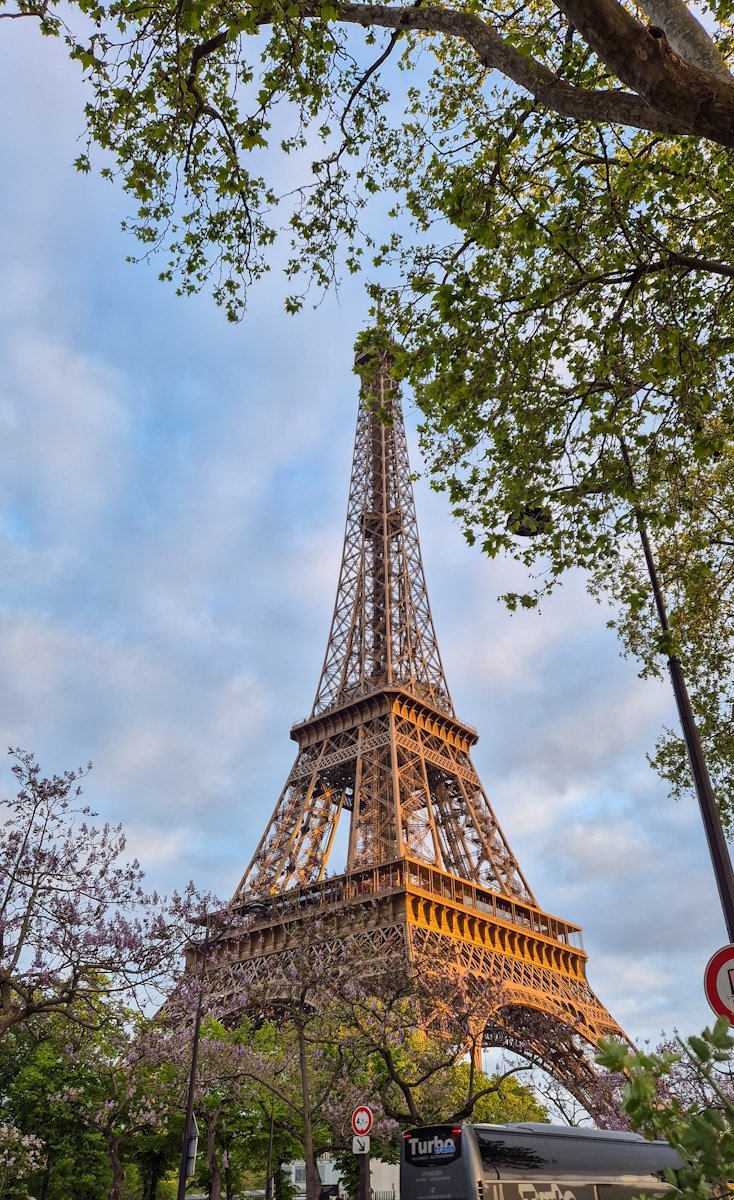
One of the most appealing aspects of evening sightseeing is the emotional atmosphere. Historic streets illuminated by warm lights, waterfronts reflecting sunset colors, or landmarks glowing against darkening skies can create unforgettable moments. These tours often feel less instructional and more experiential, allowing travelers to connect with destinations on a personal, almost cinematic level.
Evening tours also tend to attract smaller, more relaxed groups. After a full day of activities, only those genuinely interested usually participate, which can lead to a more intimate and social dynamic. Conversations flow more naturally, and guides often adopt a storytelling approach rather than a formal lecture style.
For travelers who enjoy culture through food, music, and local life, evenings provide a natural gateway. Sightseeing tours at night may blend exploration with tastings, performances, or neighborhood walks that showcase how locals live after dark. This creates a sense of authenticity that daytime tours sometimes struggle to replicate.
That said, evening sightseeing comes with its own challenges. Fatigue can affect attention and stamina, especially after long travel days. Certain attractions may be closed or partially inaccessible, limiting the scope of what can be seen. Safety and visibility can also be concerns in unfamiliar locations, making guided tours more important but also more restrictive.
Crowd Dynamics and Social Energy
Crowds behave differently in the morning and evening, influencing the overall experience of a tour. Morning tours often benefit from lower visitor numbers, particularly at major attractions. This allows for easier movement, better photo opportunities, and less noise. Travelers who dislike congestion or prefer personal space often gravitate toward early hours for this reason.
In contrast, evenings bring a different type of crowd. While tourist numbers may decrease at formal attractions, public spaces often fill with locals finishing work, socializing, or attending events. This shift changes the energy of sightseeing from observational to participatory. You are no longer just watching a destination—you are sharing it.
Neither dynamic is inherently better; they simply appeal to different preferences. Some travelers enjoy the calm and control of quieter mornings, while others thrive in the vibrant, lived-in atmosphere of evenings.
Photography and Visual Experience
Timing has a profound impact on how destinations look and feel visually. Morning light is soft, even, and flattering, making it ideal for detailed photography. Colors appear natural, shadows are gentle, and iconic landmarks are easier to capture without interference from crowds.
Evening light, on the other hand, is dramatic and expressive. Golden-hour sunsets, artificial lighting, and reflections create images filled with emotion and contrast. While photography can be more technically challenging, the results are often more striking and memorable.
For travelers who value visual storytelling, the choice between morning and evening tours may come down to whether they prefer clarity or mood.
Energy Levels and Personal Travel Style
Perhaps the most overlooked factor in choosing between morning and evening sightseeing tours is personal rhythm. Some people are naturally alert and enthusiastic early in the day, while others come alive after sunset. Ignoring this can lead to disengagement, regardless of how good the tour itself may be.
Morning tours suit travelers who enjoy structure, learning, and efficiency. Evening tours favor those who seek atmosphere, reflection, and emotional connection. Neither is universally superior; the better option is the one that aligns with how you experience the world.
Seasoned travelers often discover that combining both creates balance. A morning tour provides context and understanding, while an evening tour deepens emotional resonance. Together, they offer a fuller, more layered impression of a destination.
Choosing What Fits Your Journey
The decision between morning and evening sightseeing tours should not be based on habit or convenience alone. It is a choice that shapes memory, perception, and enjoyment. Morning tours offer clarity, comfort, and efficiency, ideal for learning and exploration. Evening tours provide ambiance, storytelling, and cultural immersion, perfect for connection and reflection.